
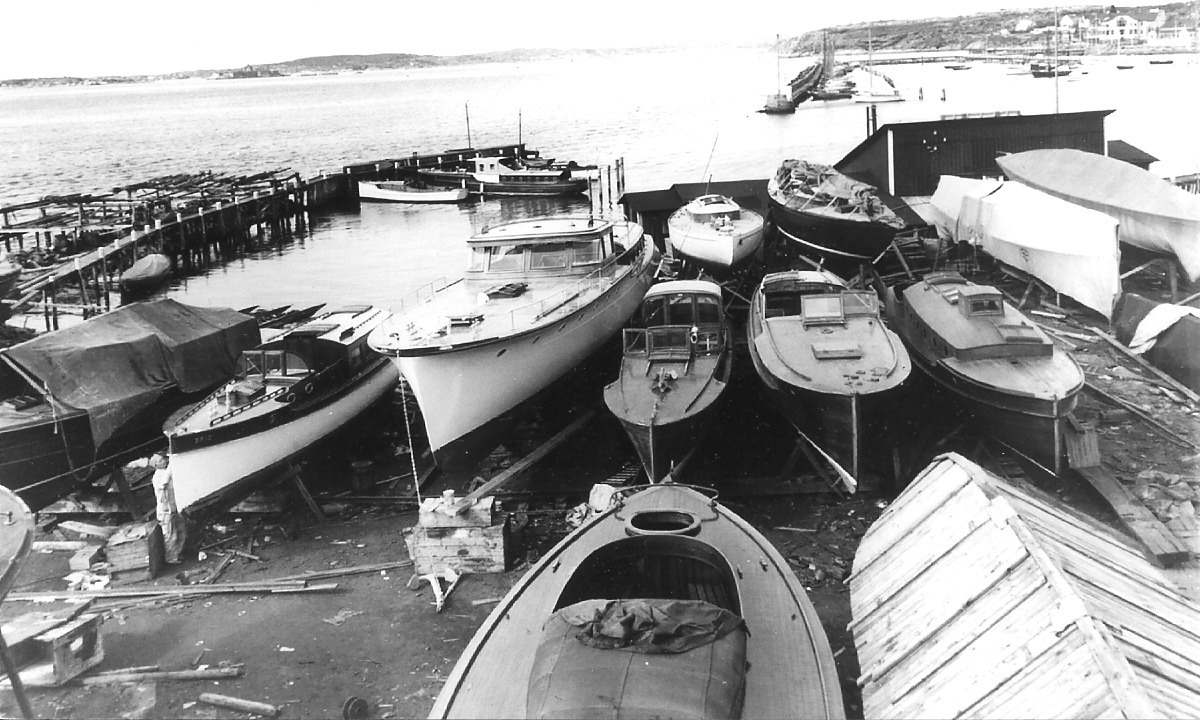
M/Y IAN was built at Ängholmen shipyard in Långedrag, at the entrance to Gothenburg's southern archipelago. The place has a long maritime history, with roots in the pilotage service and a production that ranged from working and pilot boats to archipelago cruisers and larger motor yachts.
For IAN's history the yard is not a background detail, but part of the boat's identity. C.G. Pettersson drew her, but it was at Ängholmen that the drawing became a hull, a deck, a superstructure and a finished motor yacht.
From pilot yard to wooden-boat yard
Ängholmen shipyard was founded in the mid-19th century by the Pilotage Authority. From 1905 it was owned by the pilots of the Ängholmen pilot station, who formed AB Ängholmens Varv. In the early years mainly smaller wooden boats were built, including pilot and rescue boats. That kind of craft, boats that had to withstand weather and be used often, formed a solid foundation when the yard later built more refined leisure boats.
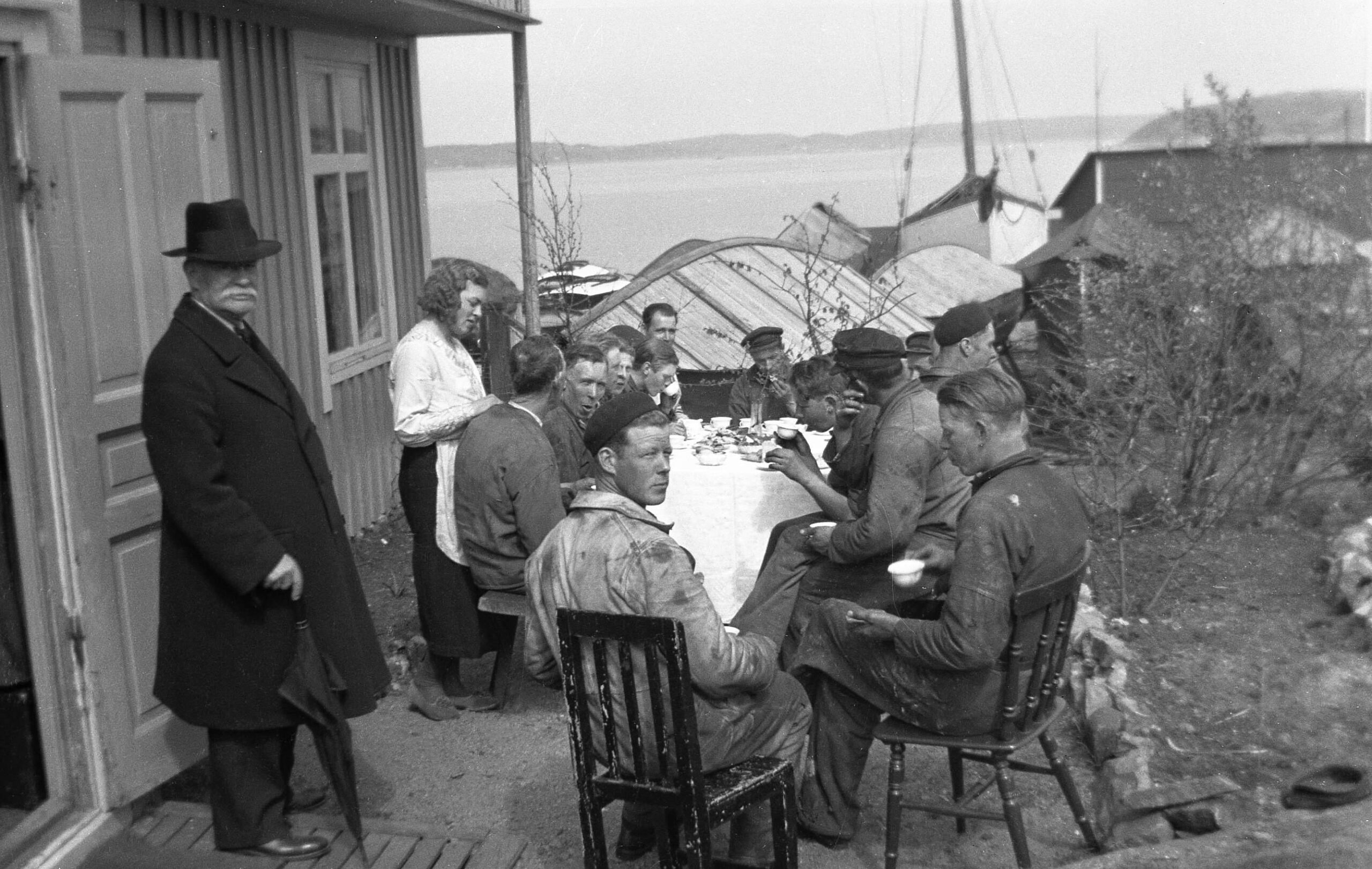
Ängholmen was also in the right place. By around 1900 Långedrag was already an important setting for sailing and boating, and as Gothenburg grew westwards the area became increasingly associated with bathing, sailing and summer living.
Janne Jacobsson and the Star boat
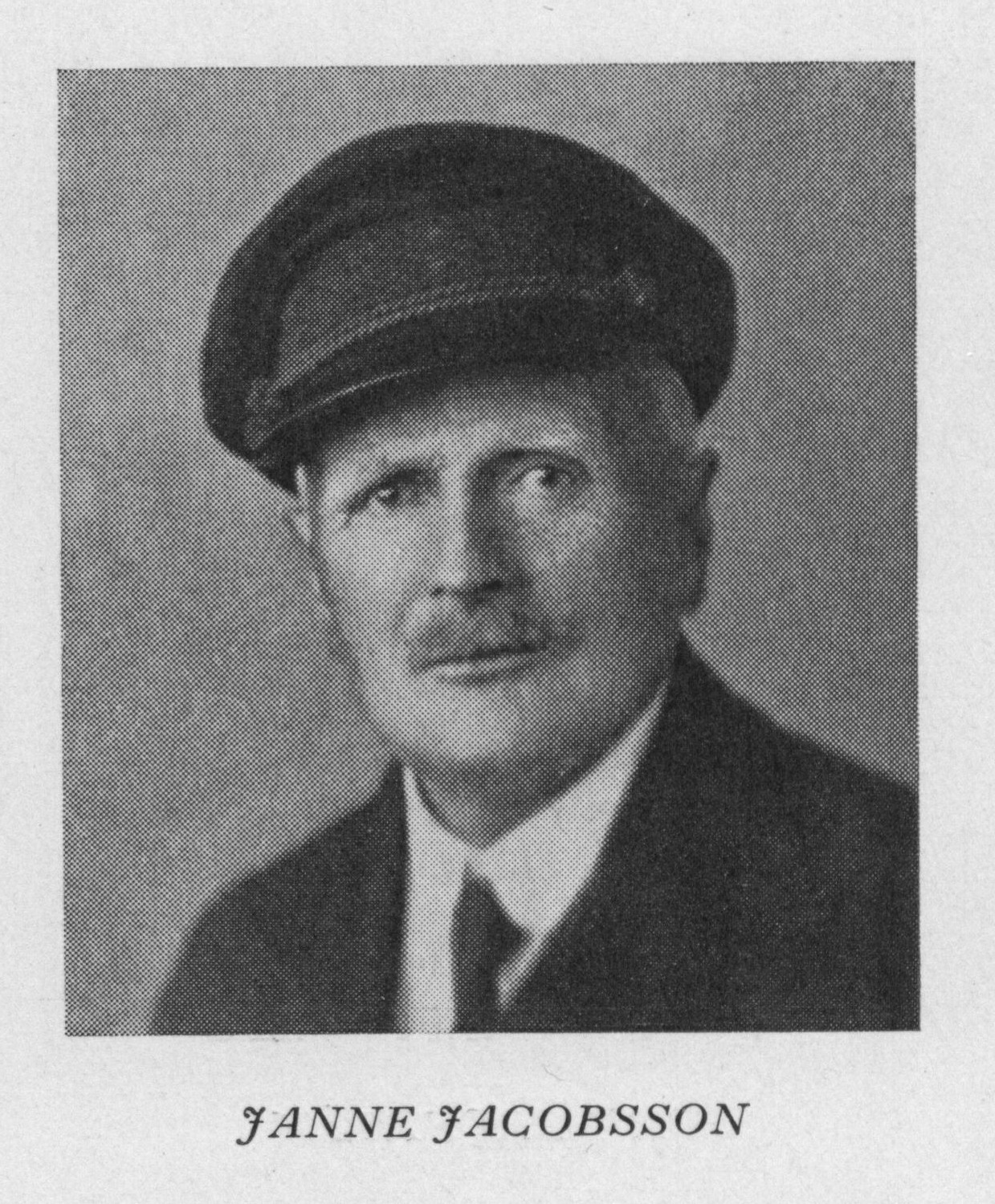
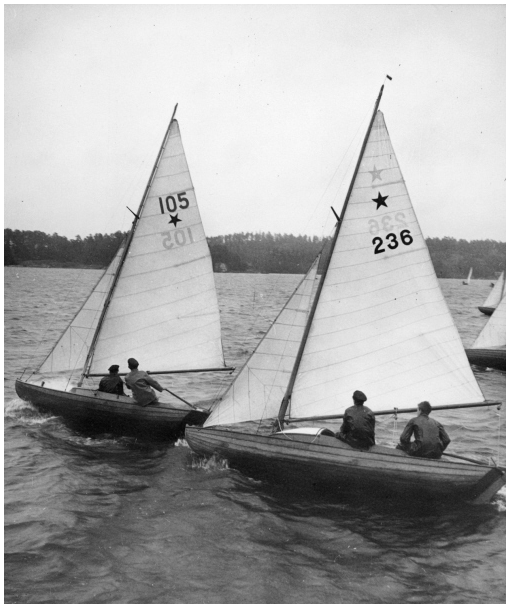
One of the most important figures in the yard's history was the boatbuilder and designer Janne Jacobsson, foreman at the yard. In 1913 he designed and built the youth boat Joyce for the Royal Gothenburg Yacht Club. Joyce later became the model for the Star boat (Stjärnbåten), one of the most enduring Swedish one-design classes, and in 1927 the club ordered twenty boats to her lines.
DigitaltMuseum describes Ängholmen's boatyard as one of the yards that built many archipelago cruisers, with 15–55 sqm yachts in the period 1910–1940. Archipelago cruisers and well-built one-designs demanded precision: they had to be light, strong and true to form.
The breadth of production
Ängholmen did not build only sailing boats. In the 1910s larger fishing boats were also built, and the yard had ties to more exclusive designs. The motor yacht Matchless was built in 1916 as Trollet at the yard for director Harald Holmberg of the Gothenburg Match Factory, with Janne Jacobsson as designer. It gives the picture of a yard of great breadth: robust working boats, lighter racing boats, archipelago cruisers and larger motorboats.
A period of change
During the 1910s and 1920s the yard changed hands and form several times. In 1917 Karl Rudolf sold the majority shareholding to Ivar Lignell, and from 1920 part of the yard was leased to Adolf Lager. In 1924 it was decided to put the company into liquidation, which was not completed until 1929.
IAN was thus built during a transitional time. She was built in 1928, just as the older company structure was nearing its end and before Adolf Lager took over the business in 1931 under the name Ängholmens Yacht & Motorbåtsvarv. Her year of building coincides with the end of the 1920s boom.
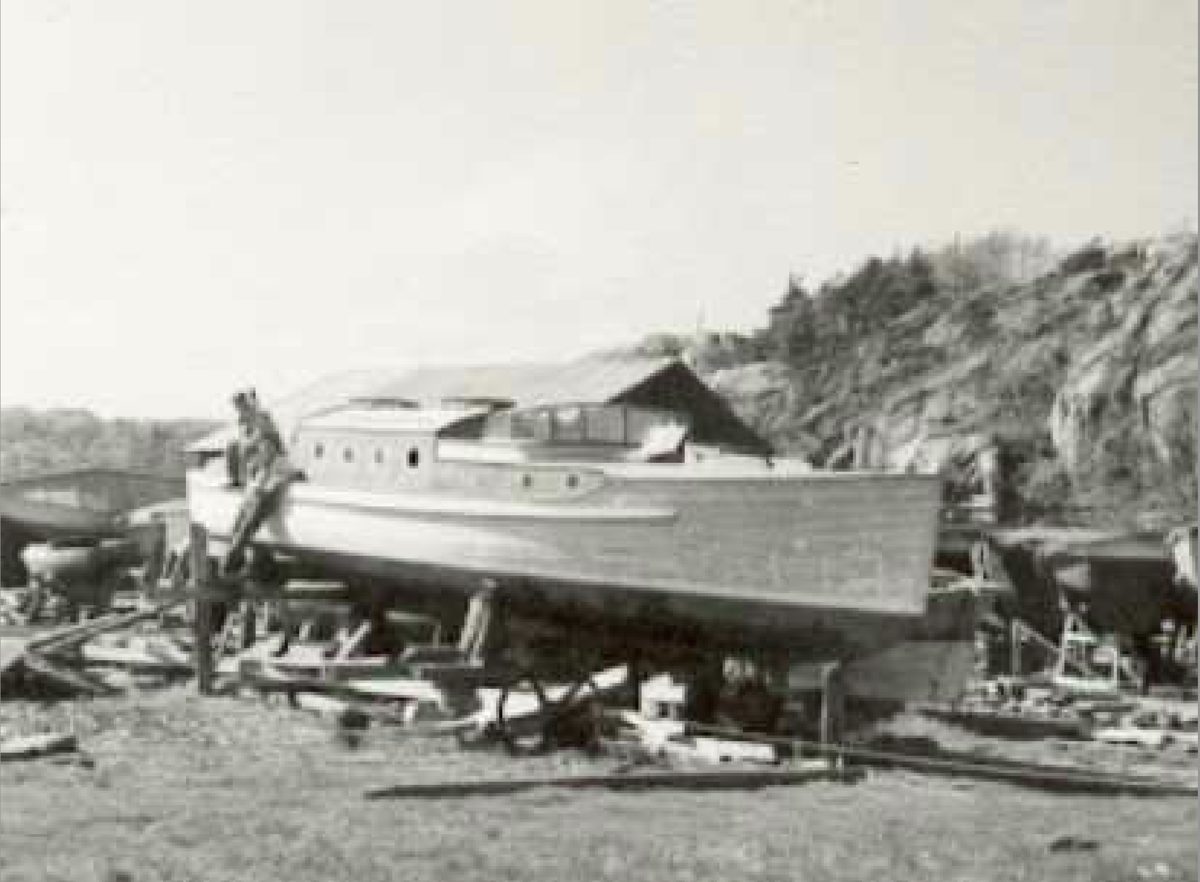
IAN is built at Ängholmen
When H.G. Turitz commissioned IAN, the choice of Ängholmen shipyard was natural. The yard lay in Gothenburg's boating environment, near Långedrag and Saltholmen, and had experience of advanced wooden-boat building. C.G. Pettersson drew boats for many yards, but not all had the same conditions to build a larger mahogany yacht with the required precision.
IAN was just over twelve metres long, carvel-built and entirely in mahogany, with superstructure, saloon, galley, berths and engine room. Contemporary sources give a powerful six-cylinder Sterling engine of 150 hp and a trial speed of nearly 20 knots. A lines drawing does not become a good boat until planks, frames, keel, deck beams and superstructure are fitted together in reality. Ängholmen's boatbuilders were the practical link between Pettersson's drawing board and the finished IAN.
SINGUN and the continued Pettersson connection
Ängholmen went on building boats with a strong link to classic Swedish boat history. One example is SINGUN, a C.G. Pettersson-designed ketch-rigged offshore motor cruiser in mahogany, built in 1934 at Ängholmens Yacht- och Motorbåtsvarv, which in 2025 was awarded the MYS Historic Classic challenge trophy Svanhalsen. IAN was thus not a single Pettersson design at the yard.
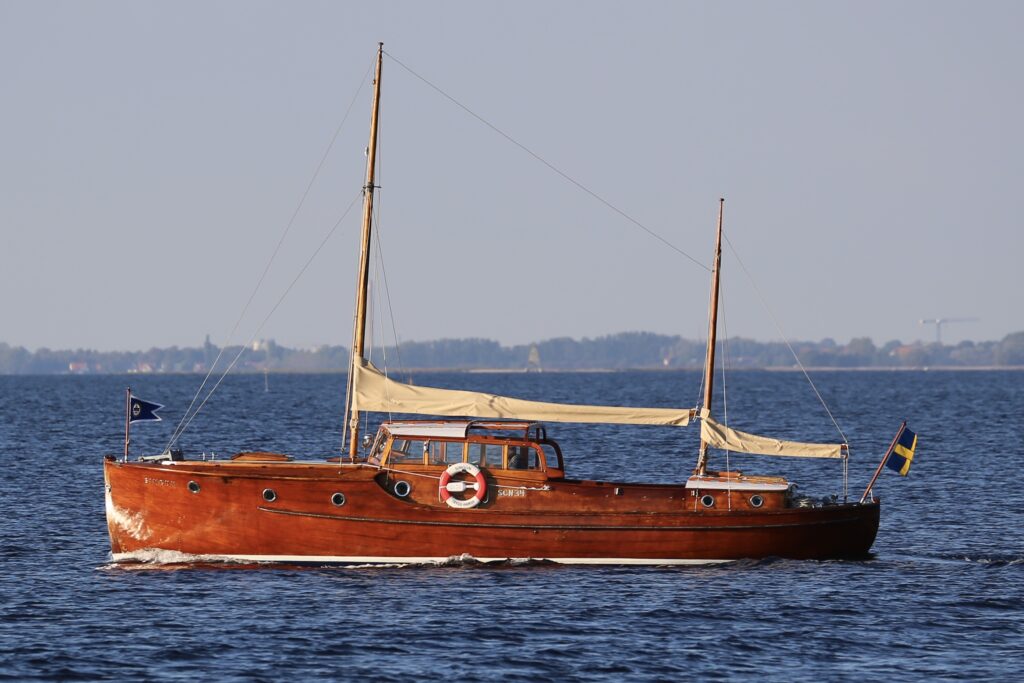
Ängholmen today
Today Ängholmen shipyard is no longer a traditional wooden-boat yard, but is run as a marina with berths, winter storage and small-boat services. But the history remains. Ängholmen is still a maritime place, where pilots, boatbuilders, designers, sailors and later marina operations have succeeded one another over a long time.
The yard's significance for IAN
C.G. Pettersson drew many boats, and several yards built his designs, but each yard also gave the boat its practical form. It was the boatbuilders' hands that determined how the drawing was translated into wood, and their judgement of timber, fit and fastenings that determined how the boat would last over time.
That IAN still exists almost a hundred years later is not only due to later restorations, but also to the fact that the original work was good enough to endure a long life. IAN's history does not begin only when she was launched. It begins at C.G. Pettersson's drawing board and continues on the slipway at Ängholmen, where the mahogany was shaped into the hull that still carries her.